Space Force Tests 4 Satellite Servicing Missions in 2026
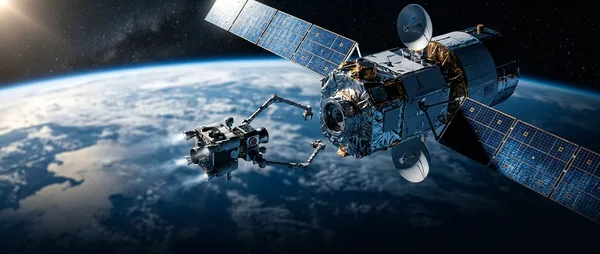
Four robots will test satellite refueling in orbit by 2026. Space Force's half-billion bet on robotic mechanics could save hundreds of millions.
Read moreFour robots will test satellite refueling in orbit by 2026. Space Force's half-billion bet on robotic mechanics could save hundreds of millions.
Read more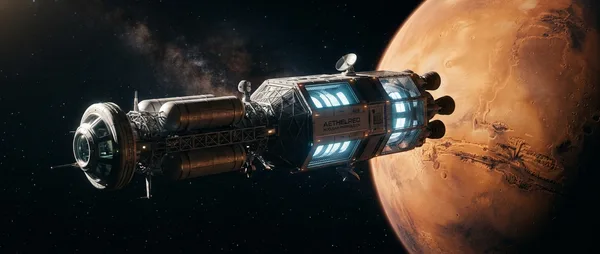
NASA unveils plans for the first nuclear-powered interplanetary spacecraft targeting Mars in 2028. Here's what changes in space exploration.
Read more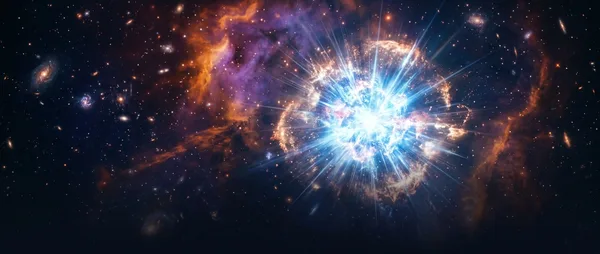
James Webb discovered a supernova that exploded when the universe was just 730 million years old, breaking its own 2025 record for most distant stellar death.
Read more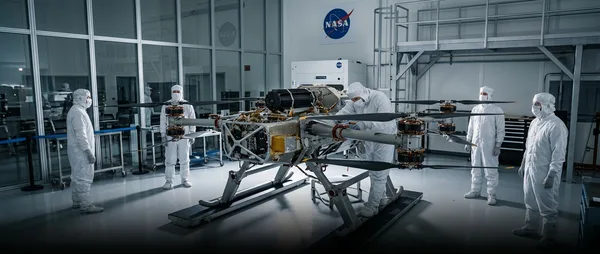
Dragonfly enters testing phase for its 2028 mission to Titan. Discover the details of NASA's nuclear-powered helicopter systems and integration.
Read more
With 2 trillion galaxies and countless planets, why haven
Read more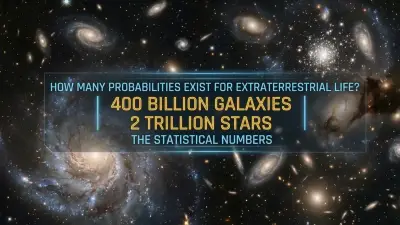
With 400 billion galaxies and the Drake Equation, scientists calculate a 99.9% probability alien life exists. So why haven't we found them yet?
Read more
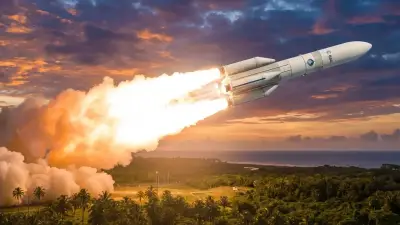
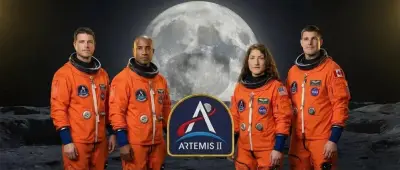
Everything you need to know about NASA's Artemis II mission. The crew, the SLS rocket, Orion, the trajectory, and its historic significance.
Read more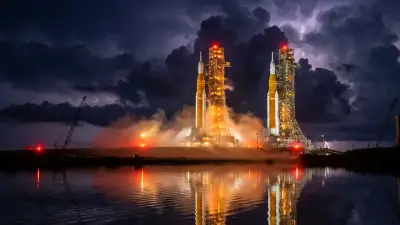
NASA delays Artemis II to March 2026 after hydrogen leaks plague SLS rocket during countdown test. The same issues that delayed Artemis I return to...
Read more
Betelgeuse, the red supergiant in Orion, will explode as a supernova. What did the Great Dimming of 2019-2020 reveal, and when will it happen?
Read more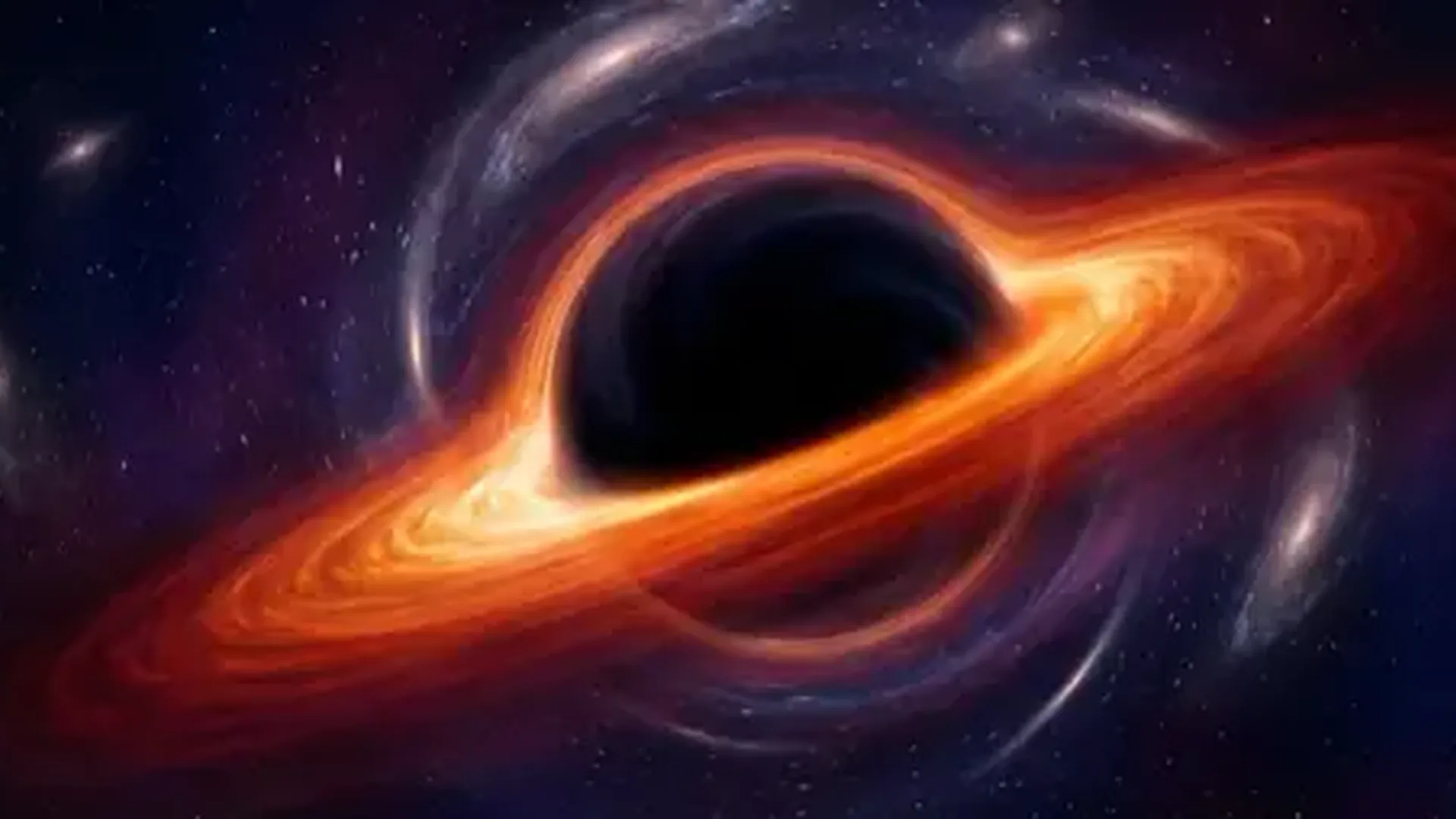
A quasar in the early Universe devours matter 13 times beyond the theoretical speed limit, forcing scientists to reconsider cosmic evolution models.
Read more
From stellar collapse to supermassive mysteries: discover the 3 main ways black holes form and why scientists captured their first real photo in 2019.
Read more
China targets crewed Moon landing by 2030 after achieving world-first far-side missions. Inside CNSA
Read more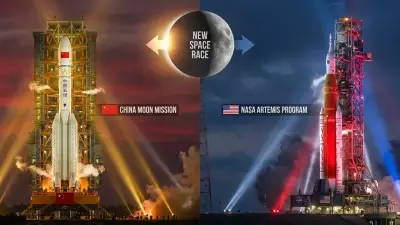
Two superpowers are racing to establish permanent lunar bases by 2030. NASA
Read more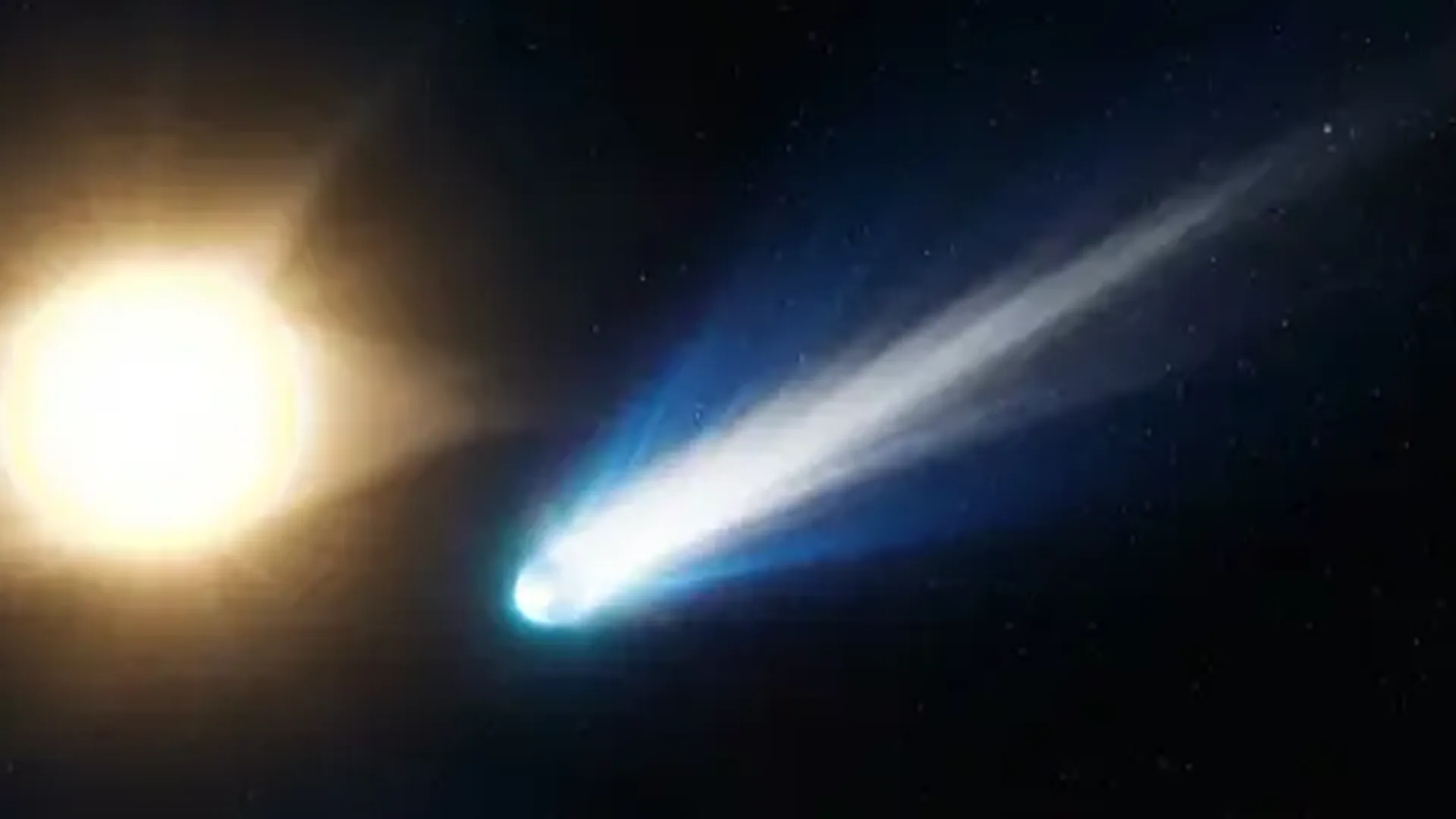
The third known interstellar object has been discovered — comet 3I/ATLAS comes from another star system, possibly over 7 billion years old and ancient.
Read more
C/2024 G3 ATLAS approaches the Sun in 2025, following spectacular displays from Neowise and Tsuchinshan. Discover why these cosmic visitors create the...
Read more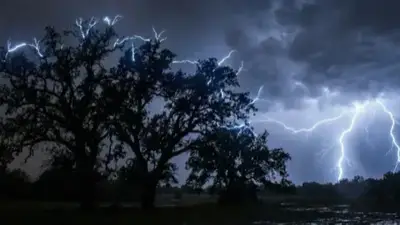
Physicists explain the rare corona discharge phenomenon on trees — an electrical effect at branch tips that appears before lightning strikes nearby.
Read more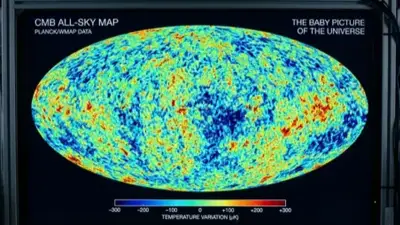
The CMB is the oldest radiation in the universe — light from 380,000 years after the Big Bang. What it tells us about the beginning of everything.
Read more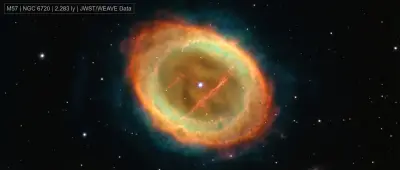
European team of astronomers detected for the first time a massive cloud of iron atoms - 500 times the Sun-Pluto distance. What this means for our understanding of the universe.
Read more
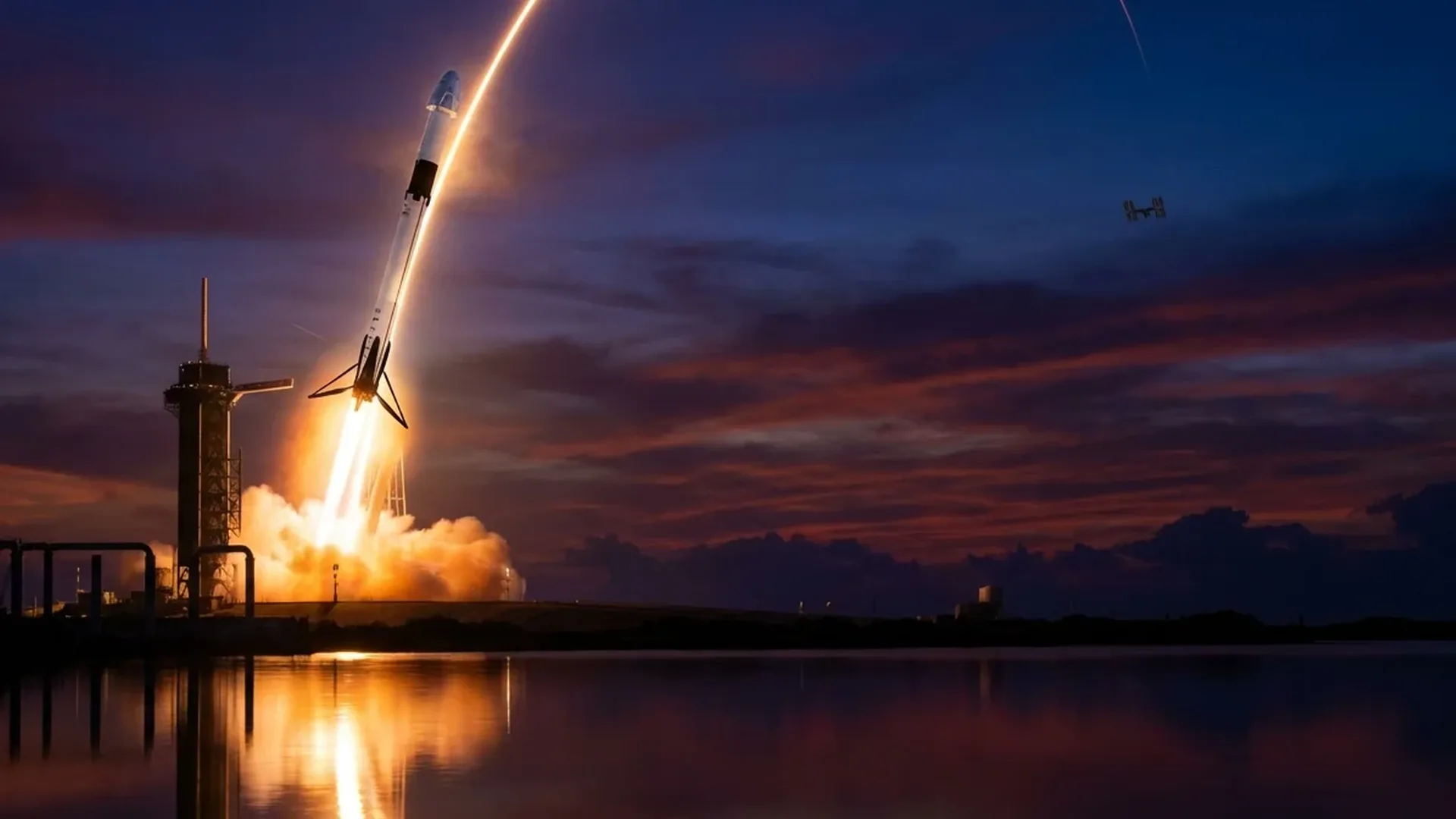
SpaceX Crew-12 Dragon successfully docks with ISS on Valentine
Read more
68% of the universe is dark energy—an invisible force accelerating cosmic expansion. New DESI telescope data reveals it may be changing over time.
Read more
95% of the universe is invisible. Dark matter holds galaxies together, dark energy pushes them apart. What are these mysterious components of the cosmos?
Read more
Dark matter makes up 27% of the universe but has never been directly detected. Here
Read more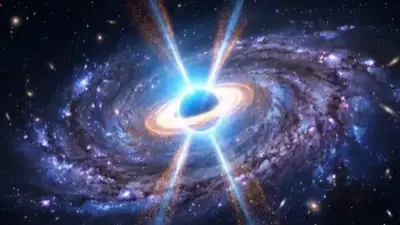
Nearly every major galaxy harbors a supermassive black hole millions of times more massive than our Sun. JWST reveals new secrets about these cosmic...
Read more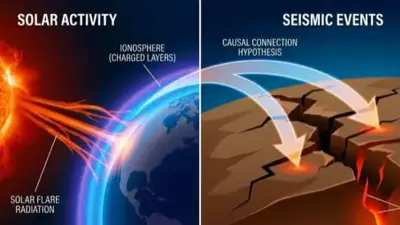
New statistical analysis finds correlation between X-class solar flares and increased seismic activity — scientists examine possible mechanism.
Read more
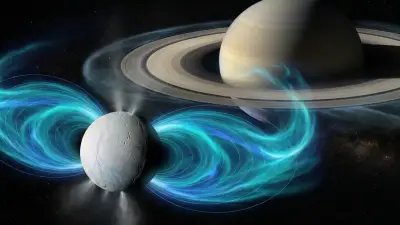
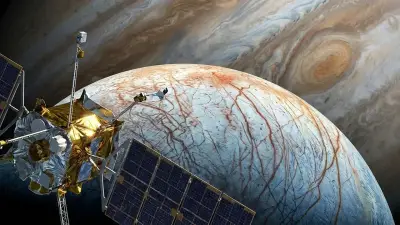
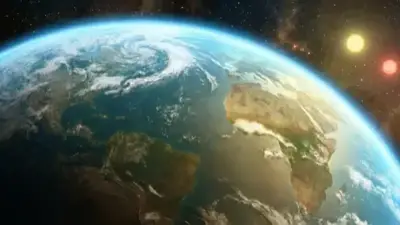
Over 5,600 exoplanets discovered, but which could harbor life? TRAPPIST-1 has 3 Earth-sized worlds in the habitable zone. James Webb reveals more.
Read more
Andromeda is 2.5 million light-years away, but how do astronomers measure such mind-boggling distances? Discover the cosmic distance ladder.
Read more
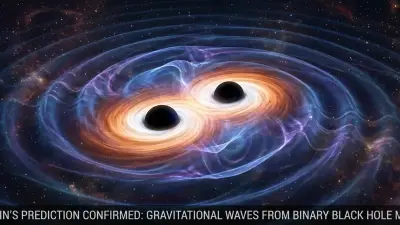
In 2015, LIGO detected ripples in spacetime from merging black holes, confirming a century-old prediction and opening a new window on the universe.
Read more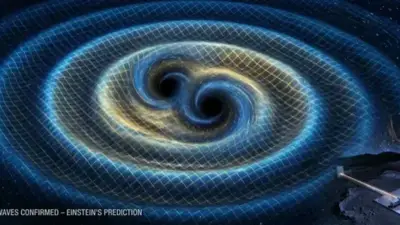
Einstein predicted them in 1915, but LIGO first detected gravitational waves in 2015 from colliding black holes 1.3 billion light-years away.
Read more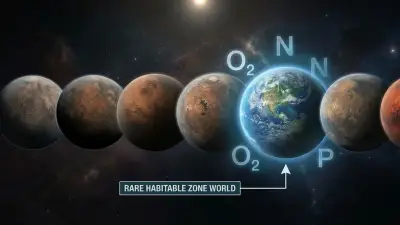
Over 5,000 exoplanets discovered, but which ones could support life? From CHON elements to atmospheric biosignatures, scientists narrow the search.
Read more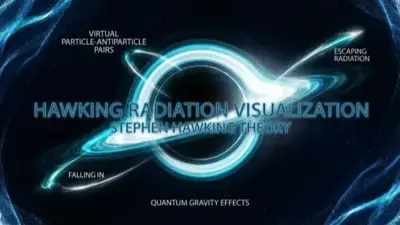
In 1974, Stephen Hawking shocked physics: black holes aren
Read more
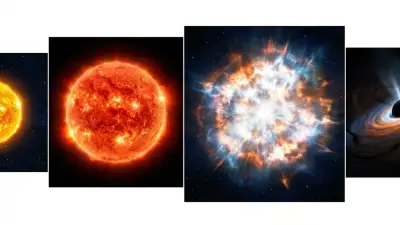
Every star will eventually die, but massive stars create the most spectacular endings. Discover how supernovae forge gold and shake entire galaxies.
Read more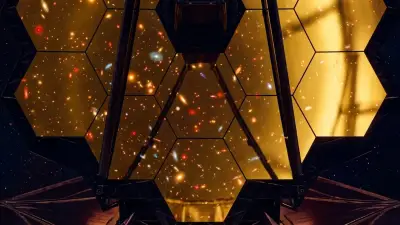
JWST captured galaxies that formed just 400 million years after the Big Bang — massive structures that challenge everything we knew about cosmic dawn.
Read more
From Heat Death to Big Rip — explore 5 scientific theories about our universe
Read more
From a flawed mirror crisis to discovering dark energy, Hubble has captured 1.5 million observations that revolutionized astronomy over 35...
Read more
NASA Administrator Isaacman announces astronauts on Crew-12 and Artemis II will be allowed to bring iPhones and modern smartphones to space.
Read more
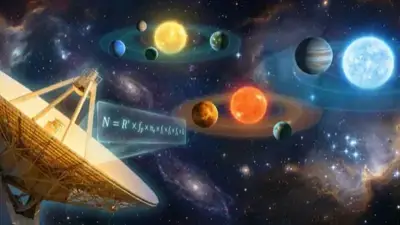
Scientists now predict billions of habitable worlds, yet we
Read more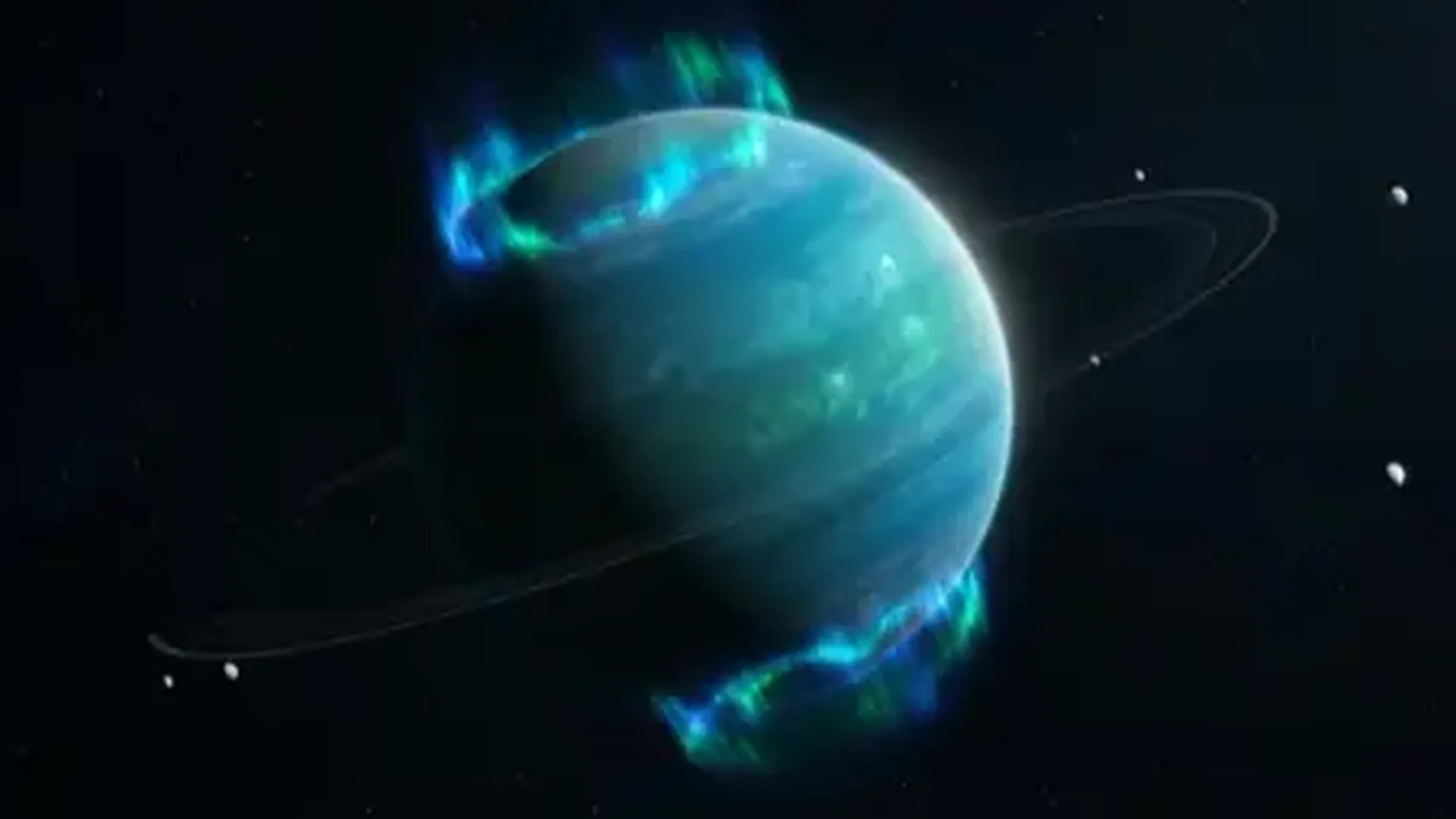
James Webb stared at Uranus for 15 hours straight, mapping its atmosphere in 3D and revealing glowing auroras shaped by the strangest magnetic field.
Read more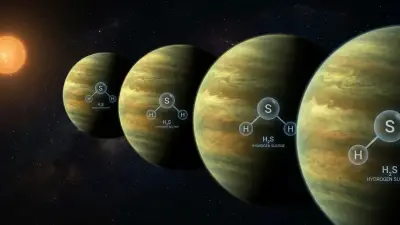
JWST detects CO₂, water vapor, and potential biosignatures in exoplanet atmospheres. Revolutionary transit spectroscopy reveals alien worlds
Read more
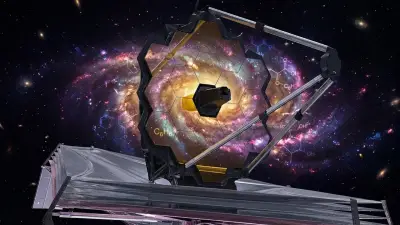
JWST found complex organic molecules in galaxies formed 12+ billion years ago, challenging our understanding of early universe chemistry and life
Read more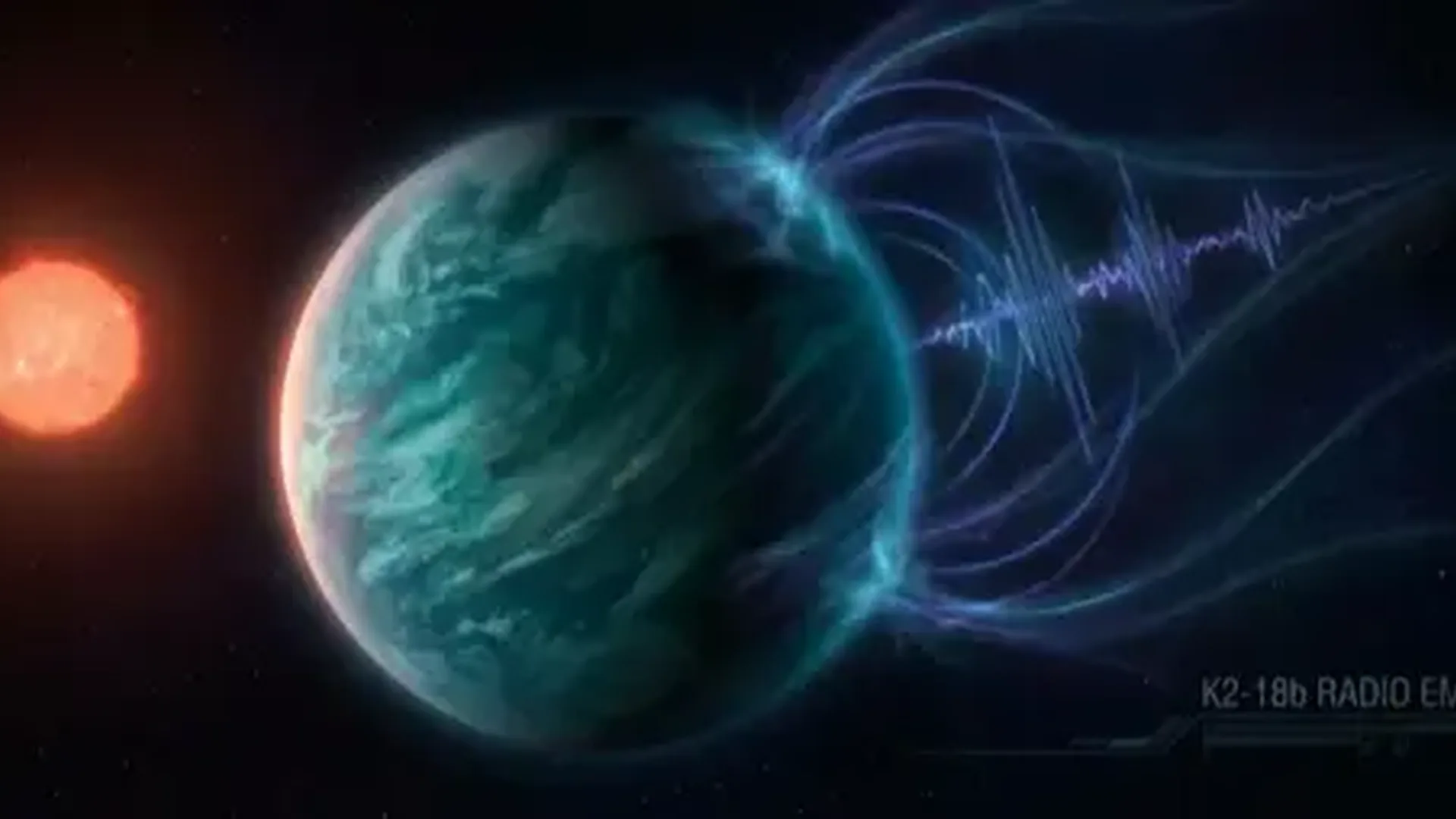
SETI turns powerful radio telescopes toward K2-18b after Webb detected unexplained chemical signatures on this Hycean world 124 light-years away.
Read more
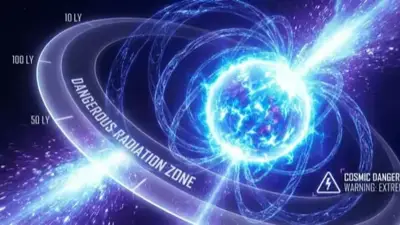
Magnetars have magnetic fields trillions of times stronger than Earth
Read more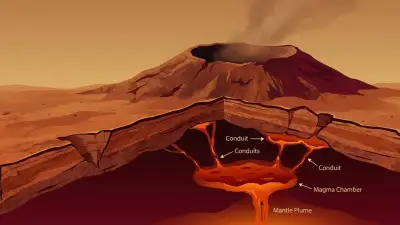
Olympus Mons towers 21.9km high, but NASA
Read more
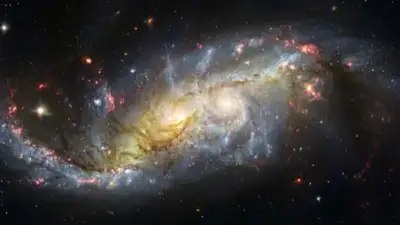
Andromeda races toward us at 110 km/s. In 4.5 billion years, two galaxies become one. Will Earth survive the cosmic crash?
Read more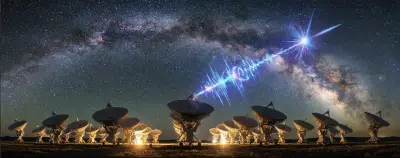
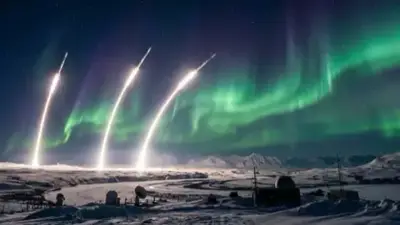
NASA launched three research rockets into auroras during a solar storm, creating the first 3D CT scan of the Northern Lights
Read more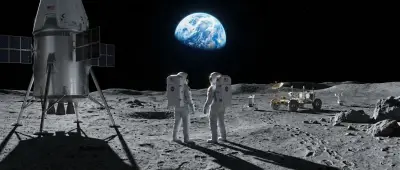
Astronauts, Artemis III mission, lunar base. Humanity returns to the Moon after 50+ years.
Read more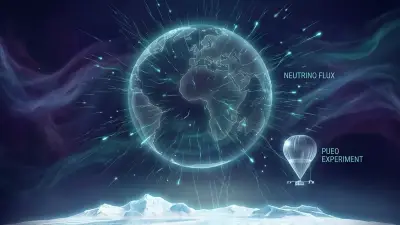
65 billion neutrinos pass through every square centimeter of your body each second. These ghost particles could unlock the deepest secrets of the universe.
Read more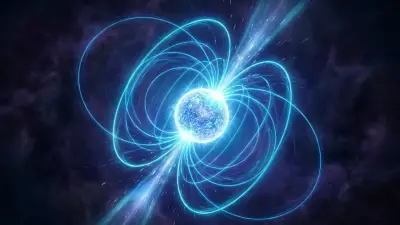
A teaspoon of neutron star material weighs a billion tonnes. These city-sized cosmic remnants pack more mass than our Sun into just 20 kilometers.
Read more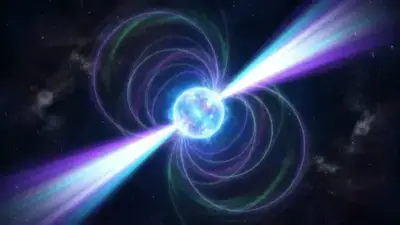
Massive stars collapse into neutron stars after death—spinning remnants so dense that a teaspoon weighs 6 billion tons. These cosmic zombies pulse with...
Read more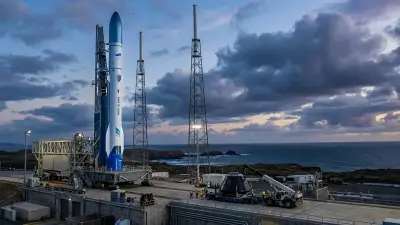

May 2024 shocked Greece: northern lights appeared over Athens for the first time in decades. Solar Cycle 25
Read more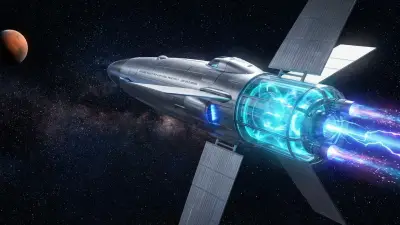
Nuclear rockets could cut Mars travel from 9 months to 4. Plutonium generators power Voyager after 40+ years. Here
Read more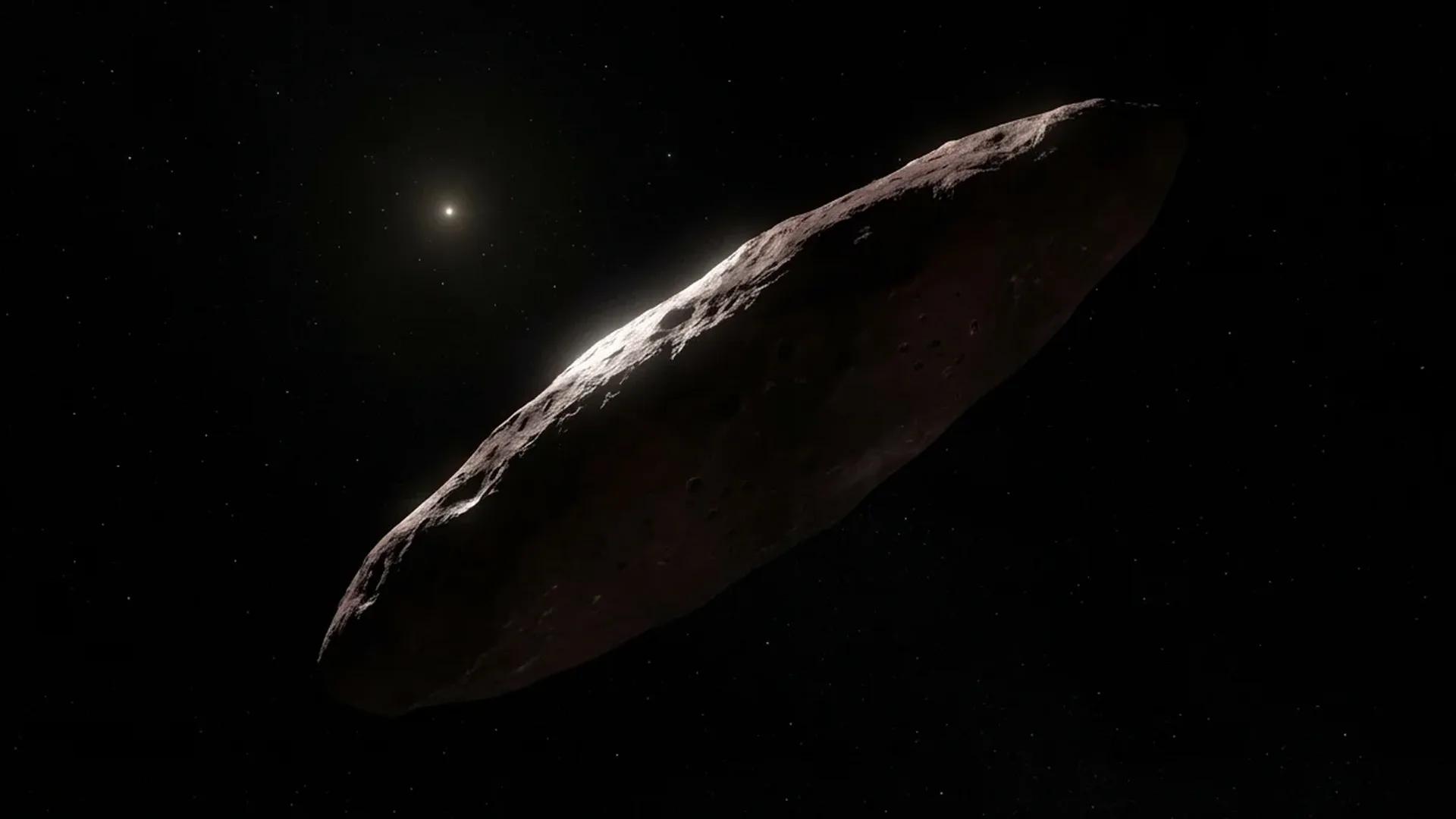
In 2017, an object from another star system passed through our solar system. Its strange behavior sparked theories from hydrogen ice to alien tech.
Read more
In 2006, Pluto lost its planetary status after 76 years. The IAU
Read more
2026 brings two spectacular solar eclipses: a ring of fire annular eclipse in February and a total eclipse visible from Spain in August.
Read more
Russian satellites have approached and intercepted European communications satellites in orbit, accessing unencrypted EU data. This space espionage...
Read more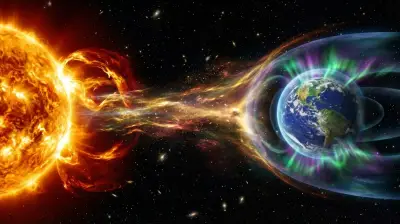
The strongest solar storm since 2003 hits Earth! Northern lights visible at unusually low latitudes. How it affects GPS, telecommunications, and satellites.
Read more
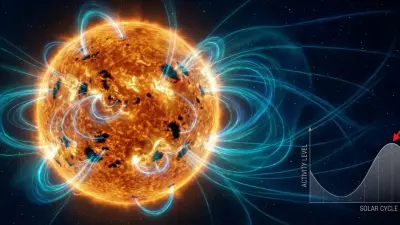
Solar Cycle 25 has shattered all predictions, delivering 30% more sunspots and spectacular auroras than expected as it peaks through 2025-2026.
Read more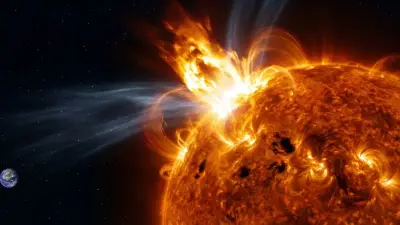
Solar flares can destroy satellites and power grids in minutes. The 1859 Carrington Event melted telegraph wires, while 2024
Read more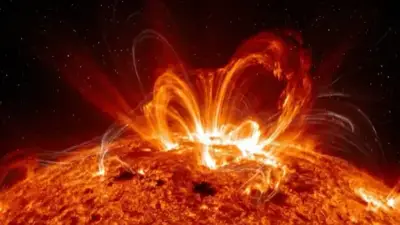
Scientists developed an AI-powered method to predict solar storms up to 24 hours in advance — a critical leap for protecting satellites and power grids.
Read more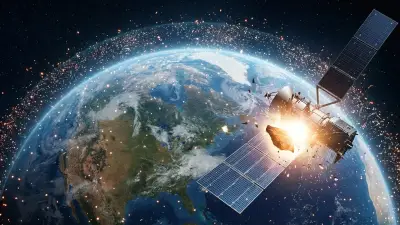
Millions of space debris pieces travel at 28,000 km/h around Earth, threatening satellites, astronauts, and our future in space. How bad is it really?
Read more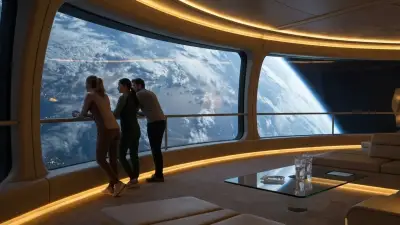
Space tourism prices in 2026 range from $125K for suborbital balloon rides to $55M for orbital hotel stays. Virgin Galactic, Blue Origin, and SpaceX...
Read more

Real planets orbit two suns just like Tatooine! Over 50 circumbinary worlds discovered by Kepler could harbor life on their moons with double sunsets.
Read more
From dark matter consuming 27% of the universe to black holes defying physics — discover the cosmic puzzles that still baffle scientists in 2026.
Read more
A particle with the energy of a bowling ball traveling at 100 km/h — yet the size of a subatomic particle. Where did the Amaterasu cosmic ray come from?
Read more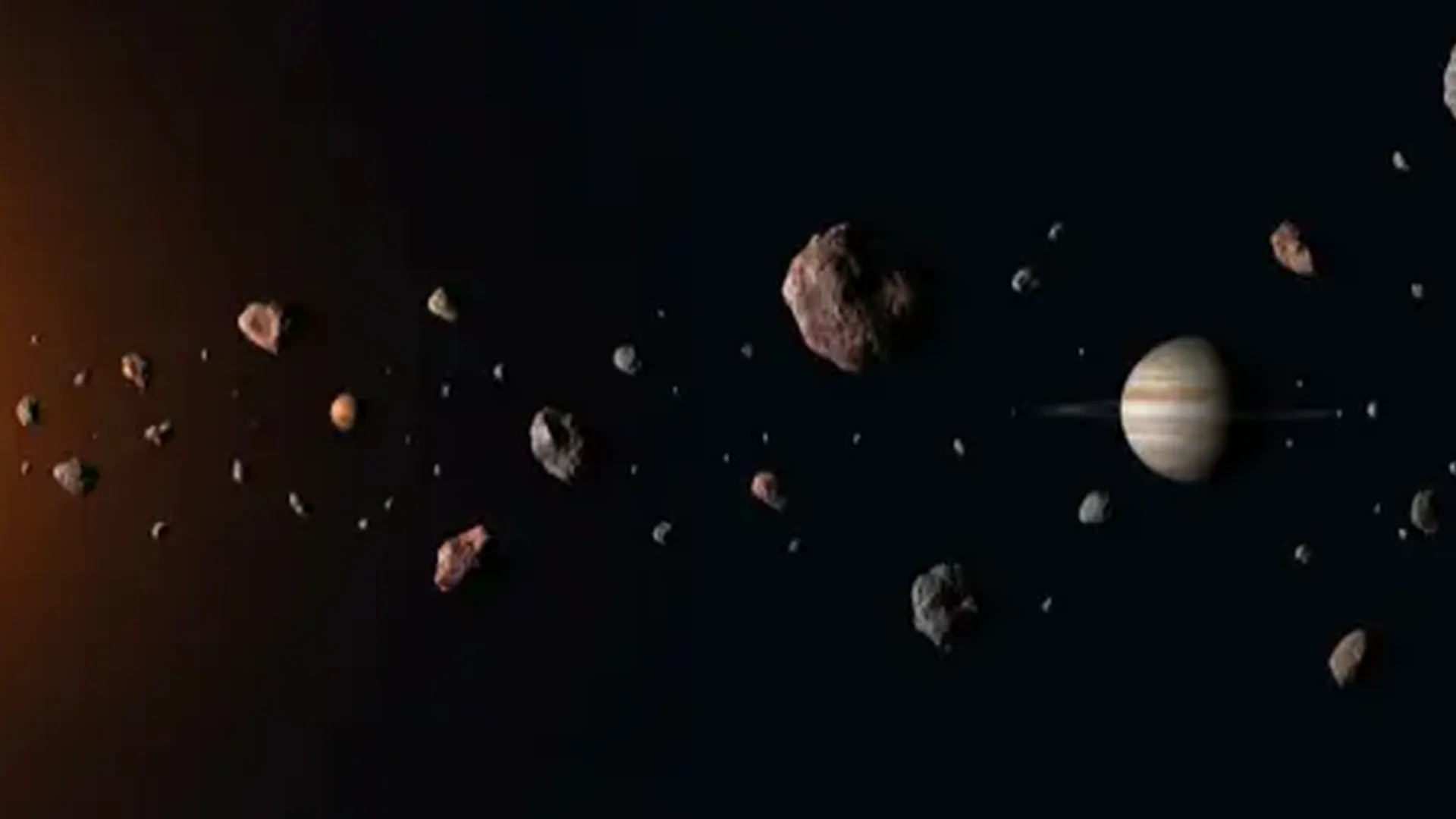
The Asteroid Belt between Mars and Jupiter looks dense in movies — but spacecraft fly through it safely with 99.9% empty space. Discover what
Read more
Galaxies race away at 70 km/s per megaparsec, but dark energy is accelerating this expansion. Discover why Hubble
Read more
With billions of potentially habitable planets, why haven
Read more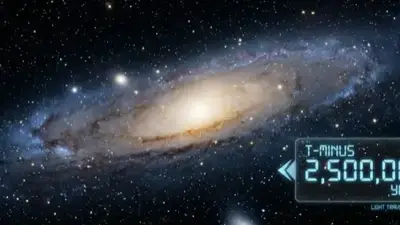
If billions of planets could support life, where is everybody? Fermi
Read more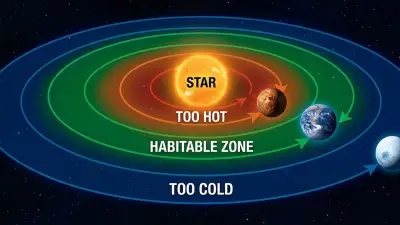
40 billion Earth-sized planets orbit in the habitable zone where liquid water can exist. Scientists call this the Goldilocks Zone—not too hot, not too...
Read more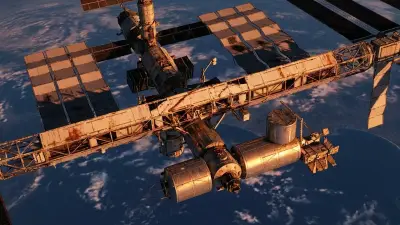
After 25+ years and 3,000+ experiments, the ISS will crash into Earth
Read more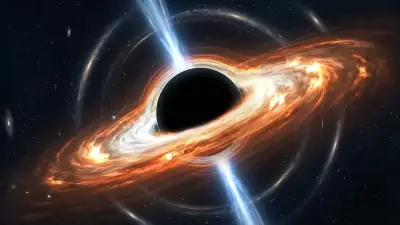
Phoenix A weighs 100 billion suns and could swallow our entire solar system in its event horizon. How do black holes grow this unimaginably massive?
Read more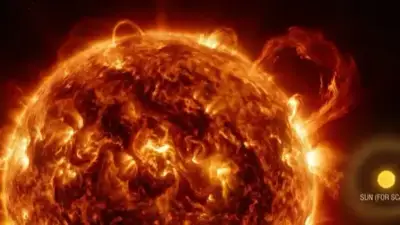
VY Canis Majoris, 1,420 times larger than our Sun, shows signs of an impending supernova that could outshine entire galaxies when it explodes.
Read more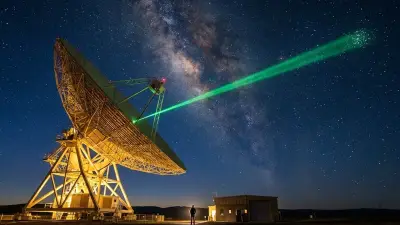
From Mars rovers to exoplanet atmospheres, from ocean moons to radio telescopes — humanity has never been closer to answering: are we alone?
Read more