smart home water leak detection flood sensors IoT monitoring home protection water damage prevention smart sensors home automation
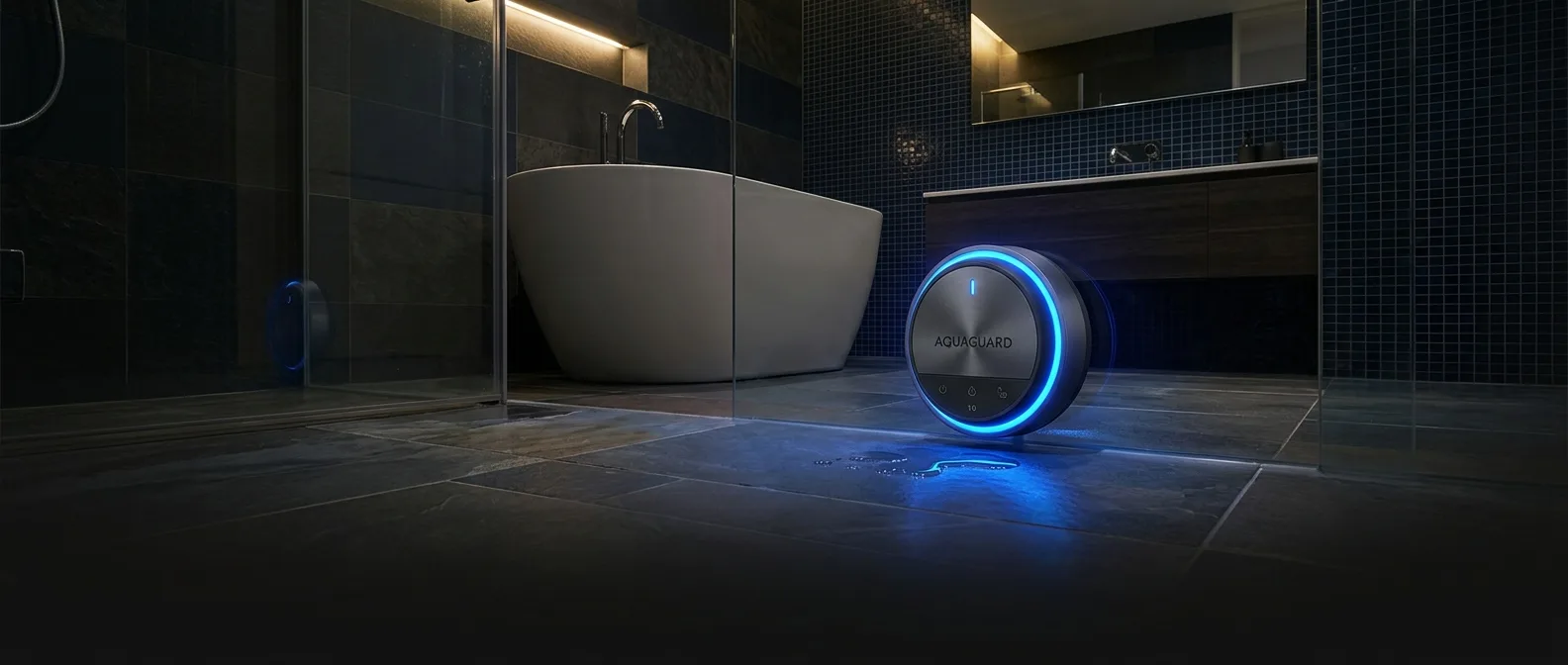
Water drips behind your washing machine for three weeks. You don't notice until the hardwood buckles. By then, you're staring at a €3,500 repair bill that could have been prevented with a €50 sensor.
This scenario plays out in thousands of homes every year. Insurance data shows the average water damage claim ranges from €2,000 to €5,000. Smart water leak detection systems catch problems before they become disasters.
IoT-powered sensors now monitor every vulnerable spot in your home. They detect moisture in real-time, alert you instantly, and some even shut off your water supply automatically. These sensors have grown from basic flood alarms into networks that protect both your wallet and irreplaceable belongings.
How Smart Water Detection Actually Works
Smart home protection systems create invisible tripwires throughout your house. These flood sensors monitor moisture levels continuously, communicating through Wi-Fi or Bluetooth with a central hub. When water appears where it shouldn't, the system springs into action.
The moment a sensor detects moisture, it sends a signal to your smartphone app. You get an immediate alert whether you're upstairs sleeping or across town at work. Advanced systems can automatically shut off your main water valve, stopping the leak at its source.
Modern sensors do more than just detect moisture. Modern systems track water usage patterns, identify unusual consumption spikes, and can predict potential failures before they happen. Some units monitor water pressure and temperature, spotting warning signs of plumbing problems before they worsen.
Types of Leak Detection Sensors
Different sensors handle different scenarios:
- Point sensors: Small discs placed under sinks, toilets, and water heaters
- Cable sensors: Long sensing cables that cover larger areas like basement floors
- Flow monitors: Install on your main water line to track overall consumption
- Smart water shutoffs: Automatically close your main valve when problems arise
Water Damage Prevention Through Smart Technology
Smart water protection operates on three levels: detect, alert, respond. When moisture hits a sensor, the device immediately transmits data to your home's central system. The hub processes this information and determines threat level.
Real leaks trigger instant notifications through smartphone apps, emails, or text messages. The most sophisticated systems can differentiate between actual leaks and false alarms from condensation or cleaning spills. Machine learning algorithms improve accuracy over time.
Automatic shutoff valves represent the ultimate protection. These devices can close your home's main water supply within seconds of detecting a major leak. Some systems offer zone control, shutting off specific areas while maintaining water flow to unaffected parts of your house.
Detection Technologies
Modern systems employ multiple detection methods for maximum reliability:
- Conductivity sensors: Measure electrical changes when water bridges two contacts
- Ultrasonic monitoring: Detect flow changes inside pipes using sound waves
- Pressure sensors: Monitor water pressure for unusual fluctuations
- Thermal sensors: Identify temperature changes that might indicate leaks
Strategic Sensor Placement for Maximum Coverage
Sensor placement makes or breaks your protection system. The goal is covering every spot where water could cause damage without creating a forest of devices throughout your home.
Kitchens need sensors under the sink, behind the dishwasher, and near refrigerators with ice makers. Bathrooms require coverage around toilets, under vanities, and beside tubs or showers. Don't forget the water heater, washing machine, and any basement or crawl space areas.
Professional installers recommend the "water path" approach. They trace where water would flow during a leak, then place sensors along these drainage routes. This catches leaks even when they start in unmonitored spots.
Critical Installation Points
Comprehensive protection requires sensors in these key locations:
- Basement or utility room: Near water heater, main water line, and sump pump
- Laundry area: Behind and under washing machine, near utility sink
- Attic space: Around HVAC units, water tanks, or roof penetrations
- Storage areas: Under water heaters in closets or pantries
Cost Analysis: Why Smart Detection Pays Off
A complete smart water leak detection system costs between €200 and €800, depending on home size and complexity. Compare that to the average water damage claim of €3,000, and the math is straightforward.
But the savings extend beyond immediate damage costs. Early detection prevents destruction of flooring, walls, and furniture. You avoid mold remediation, which can cost thousands more. Personal belongings and family heirlooms stay safe.
Water damage prevention also protects your home's structural integrity. Chronic moisture can weaken foundations, rot wooden framing, and damage electrical systems. Catching leaks early prevents these expensive long-term problems.
Insurance Premium Discounts
Many insurance companies offer premium discounts for homes with leak detection systems. These discounts typically range from 5-10% of your annual homeowner's insurance cost. Over time, the insurance savings alone can offset the system's purchase price.
Choosing the Right System for Your Home
IoT water monitoring systems range from simple standalone sensors to comprehensive whole-home networks. Your choice depends on budget, home size, and technical comfort level.
Basic systems include independent sensors with built-in alarms and smartphone notifications. Mid-range options add central hubs that coordinate multiple sensors and integrate with existing smart home platforms. High-end systems include automatic shutoff valves and professional monitoring services.
Consider your home's vulnerability when choosing features. Older homes with aging plumbing benefit from comprehensive monitoring. Vacation homes need systems with reliable remote alerts. Busy families might prefer automatic shutoff capabilities that work even when nobody's home.
Smart water leak detection transforms home protection from reactive to proactive. With the right sensor network and intelligent monitoring, you can prevent thousands in damage while protecting irreplaceable belongings. The technology is now affordable and user-friendly, making smart water protection essential for any modern home.