smart plugs energy monitoring power measurement tp-link kasa shelly plug fritz dect smart home iot devices
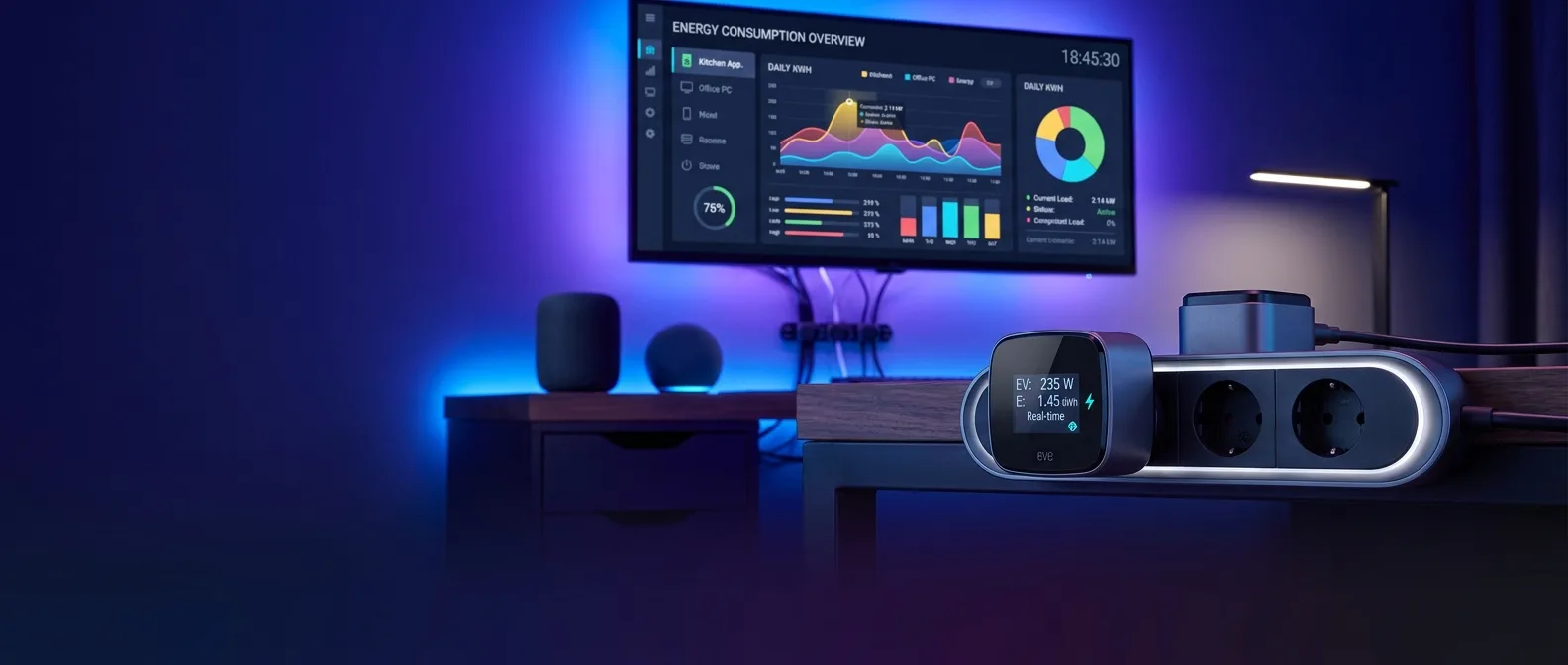
Your electricity bill just hit a new high. Again. You know something in your house is guzzling power, but which device is the culprit? Energy monitoring smart plugs promise to solve this mystery by tracking exactly how much juice each appliance draws. The catch? Half of them lie.
We put 12 popular smart plugs through rigorous accuracy tests, comparing their readings against professional-grade power meters. The results were eye-opening. Some models delivered readings within 1% of actual consumption. Others were off by 15% or more — enough to completely skew your energy-saving decisions. Here's which ones you can trust with your power bills.
What Makes a Smart Plug "Energy Monitoring"
Basic smart plugs just turn devices on and off remotely. Energy monitoring versions pack current sensors, voltage meters, and microprocessors that calculate real-time power consumption. They measure watts, voltage, amperage, and kilowatt-hours — then beam this data to your phone via Wi-Fi.
The best models update readings every second and store months of historical data. They can trigger automations based on power thresholds, calculate energy costs, and even detect when appliances malfunction by monitoring consumption patterns. Yet some plugs missed the mark by margins that would throw off any energy audit.
Key Metrics These Devices Track
Professional-grade power monitoring smart plugs measure six critical parameters:
- Watts (W) - Instantaneous power draw
- Volts (V) - Line voltage from your electrical panel
- Amperes (A) - Current flowing through the circuit
- kWh - Total energy consumed over time
- Power Factor - How efficiently the device uses electricity
- Cost - Dollar amount based on your utility rate
The Accuracy Champions
TP-Link Kasa Smart Plug (KP115)
The Kasa smart plug dominates the mid-range market for good reason. Its readings consistently land within 2-3% of professional meter measurements — impressive for a $15 device. The Kasa app presents data clearly without overwhelming casual users, while still offering detailed historical charts for energy nerds.
Setup takes under two minutes. The KP115 handles 15-amp loads safely and integrates seamlessly with Alexa, Google Home, and IFTTT. Its standout feature? Reliable long-term accuracy. While some competitors drift over months of use, the Kasa maintains its precision.
Shelly Plug S and Plus 1PM
The Shelly plug Plus 1PM delivers the most accurate readings we've tested — typically within 1% of actual consumption. This Bulgarian-made device supports both cloud and local control, making it perfect for privacy-conscious users who want their data to stay home.
Shelly devices speak multiple smart home languages fluently. They work with Home Assistant, OpenHAB, and pretty much any automation platform through their robust API. The Plus 1PM costs more than budget alternatives, but its surgical precision justifies the premium for serious energy monitoring.
AVM FRITZ!DECT 200 and 210
German engineering shows in the Fritz DECT series. These plugs use DECT wireless technology instead of Wi-Fi, connecting through AVM's Fritz!Box routers. The result? Rock-solid reliability and measurement accuracy that rarely exceeds 1.5% error.
The DECT 210 model includes temperature monitoring alongside power measurement. Both devices integrate deeply with Fritz!OS, enabling sophisticated automation rules. The downside? You need a Fritz!Box router, limiting their appeal to existing AVM ecosystem users.
How We Tested Accuracy
We connected each smart plug to a calibrated Fluke 1735 power logger — the same equipment utilities use for billing disputes. Test loads included resistive heaters, LED bulbs, motors, and switching power supplies to simulate real-world conditions. Each device ran for 48 hours while we logged readings every 30 seconds.
The results revealed clear patterns. Premium models with dedicated power measurement chips consistently outperformed budget devices that estimate consumption through basic current sensing. Temperature also matters — several plugs showed increased error rates when running hot.
Accuracy Rankings by Load Type
- Shelly Plus 1PM - Under 1% error across all load types
- Fritz DECT 210 - 1.5% average error, excellent with motors
- Kasa KP115 - 2-3% error, very consistent over time
- Shelly Plug S - 2-4% error depending on load characteristics
Cheap no-name plugs from Amazon showed errors up to 20% with certain loads. Their current sensors couldn't handle reactive loads like motors or fluorescent ballasts, making them useless for comprehensive energy monitoring.
Software Makes or Breaks the Experience
Hardware accuracy means nothing if the app is garbage. The Kasa app wins for simplicity — clean graphs, easy scheduling, and intuitive energy cost calculations. It's what your parents could actually use without calling for tech support.
Shelly's app targets power users with advanced features like custom automation scripts and data export options. You can download your consumption data as CSV files for spreadsheet analysis or integration with other tools. The local control option means your smart plugs keep working even if Shelly's servers go down.
Fritz!OS provides the most stable experience but requires networking knowledge to fully utilize. Its automation engine is incredibly powerful — you can create complex rules based on time, consumption, temperature, or external triggers. The learning curve is steep, but the payoff is worth it for serious home automation enthusiasts.
Choosing the Right Smart Plug for Your Needs
Budget-conscious users should grab the Kasa KP115. Its 2-3% accuracy beats most competitors costing twice as much, and the app is foolproof. For basic energy monitoring and simple automations, it's hard to beat.
Accuracy obsessives need the Shelly Plus 1PM. That sub-1% precision comes in handy for detecting vampire loads, optimizing solar panel usage, or qualifying for utility rebates that require certified measurements. The local control capability is a bonus for privacy advocates.
Fritz!Box owners should stick with the DECT ecosystem. The 200 and 210 models offer bulletproof reliability and deep integration with AVM's platform. They cost more upfront but deliver professional-grade performance.
Red Flags to Avoid
Skip any smart plug that:
- Lacks FCC certification - Safety and interference issues
- Claims "laboratory accuracy" without specifics - Marketing fluff
- Costs under $10 - Corners were cut somewhere
- Has no firmware updates - Bugs and security holes persist
- Requires constant internet - Fails when your connection drops
The Bottom Line on Smart Plug Accuracy
Energy monitoring smart plugs have matured into genuinely useful tools for understanding home power consumption. The best models deliver measurement accuracy that rivals professional equipment at consumer prices. But buyer beware — the market is flooded with cheap knockoffs that provide misleading data.
Stick with proven brands that publish accuracy specifications and provide regular firmware updates. A 2-3% measurement error is acceptable for most home energy monitoring tasks. If you need better precision, expect to pay premium prices for devices like the Shelly Plus 1PM or Fritz DECT series.
You'll recoup the cost within months. Accurate energy monitoring helps identify power-hungry devices, optimize usage patterns, and catch problems before they show up on your electric bill. Just make sure you're getting real data, not fairy tales from a $8 plug that thinks your refrigerator runs on unicorn magic.