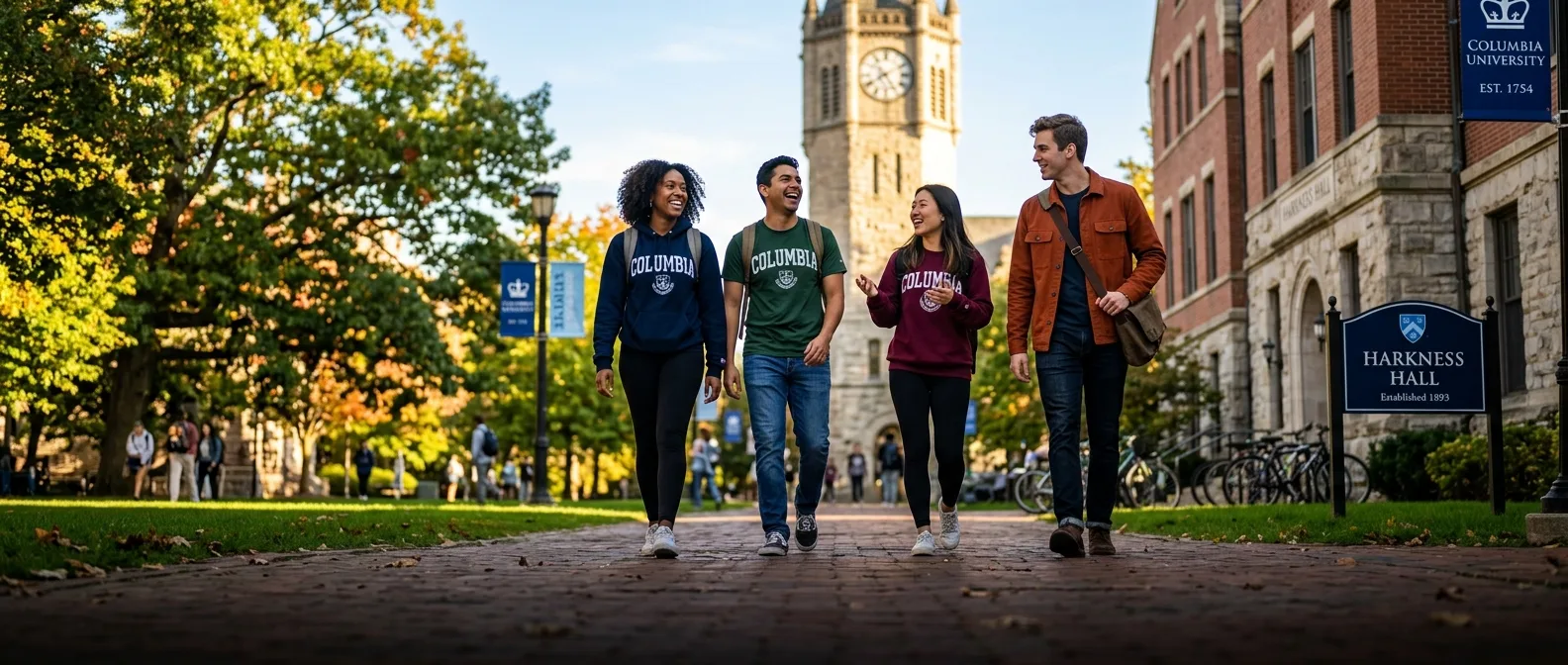
Headlines about young people's mental health usually paint a grim picture. But something's shifting. For the third year running, college students across America are reporting fewer symptoms of depression and anxiety. The Healthy Minds Study 2025 — the largest survey of student mental health — pulled data from over 84,000 people at 135 universities and found a clear trend toward improvement.
This isn't statistical noise. Researchers from UCLA, University of Michigan, Boston University, and Wayne State University who conducted the study describe a "sustained reduction" that doesn't look like a temporary blip.
🔬 The Numbers Tell the Story
"These sustained decreases tell me this isn't a fluke," explains Justin Heinze, associate professor at University of Michigan and co-investigator of the study. "Whether it's distance from the pandemic, better institutional support, or something else driving the change, I think it's a hopeful counter-narrative to what feels like constant headlines around young people's struggles with mental health."
📊 From 2022 to 2025: The Three-Year Journey
2022 was rock bottom. Depression and anxiety rates hit historic highs after COVID-19. But since then?
"For the first time in a long time, we have some good news and incentives for schools to continue doing some of the things they've been doing"
Sarah K. Lipson, Boston University
Sarah Lipson from Boston University, one of the lead researchers, explains that improvement doesn't mean the problem is solved. "This is still an urgent issue, and there are many inequities that persist," she says.
What's Changing on Campus
Universities have adopted what researchers call a "public health approach" to mental health. Not just one-on-one counseling. Prevention, group sessions, digital tools.
At University of South Carolina, the Center for Student Health and Well-Being hosts weekly events focused on mental health. The reception area is designed with stress-reducing colors, comfortable couches, and natural light — all to help visitors relax.
⚡ Digital Revolution in Student Support
"Digital and mobile services are evolving rapidly and are now popular among students," says Daniel Eisenberg from UCLA. What's changing the landscape?
Apps for anxiety management. Online therapy sessions. Chatbots that can spot early crisis signs. Technologies that were sci-fi five years ago are now campus reality.
The Service Usage Paradox
About 37% of students received therapy or counseling in the past year — a rate that's held steady for four years. But here's what's interesting: even as symptoms decline, students aren't stopping their help-seeking behavior.
They're probably learning to recognize when they need support before hitting crisis mode.
🧬 Who's Still Struggling
Not everyone's improving equally. International students, LGBTQ+ individuals, and minorities still face bigger challenges. Some due to cultural stigma. Others because of financial barriers.
International Students
Far from support networks, pressure for perfect performance, adapting to new culture.
LGBTQ+ Community
Despite progress, not all families and communities accept their identity.
"These inequities have persisted over the past decade and underscore that there's more work to be done to close gaps in mental health support," explains Sasha Zhou from Wayne State University.
Faculty and Staff: The Hidden Side
For the first time, the study included data from faculty and staff. The results? 16% meet depression criteria, 17% show anxiety signs. 81% say student mental health is significantly worse compared to when they started their careers.
This creates a paradox: the people called to support students face their own challenges.
📱 The Social Media Generation
Social media's role remains complex. On one hand, FOMO (fear of missing out) and comparisons with others' "perfect" Instagram lives. On the other, digital platforms open new support channels.
"Students are afraid to talk to their professors because they don't know how to have face-to-face interaction," observes Carrie Landa from BU. The immediate nature of social media means there's little time for problems to "deflate."
The "Helicopter Parenting" Phenomenon
Parents who hover over their teenage children and solve their problems might make it harder for college students to learn to succeed independently. "I think a lot of kids don't know what productive struggle is," says Dori Hutchinson from BU. "When it's hard, they think: 'Why is this so hard? What's wrong with me?'"
🎯 Frequently Asked Questions
Why is college student mental health improving in recent years?
Researchers attribute the improvement to a more comprehensive approach to mental health by universities, including prevention and population-level tools, not just individual therapy.
What are the main challenges students still face?
More than half of students continue to report loneliness, while substance use keeps rising. There are also significant inequalities between different student groups.
What can a student do to improve their mental health?
Experts recommend prioritizing sleep, nutrition, and social relationships — things often abandoned first when life gets busy. Also, seeking help when needed.
2026 will be a critical year to see if this trend continues. Universities have invested in new approaches, but factors beyond their control — like the sociopolitical climate or social media changes — can affect student mental health.
The question remains: how deep will this improvement go and will it affect all students equally? The next survey will tell.