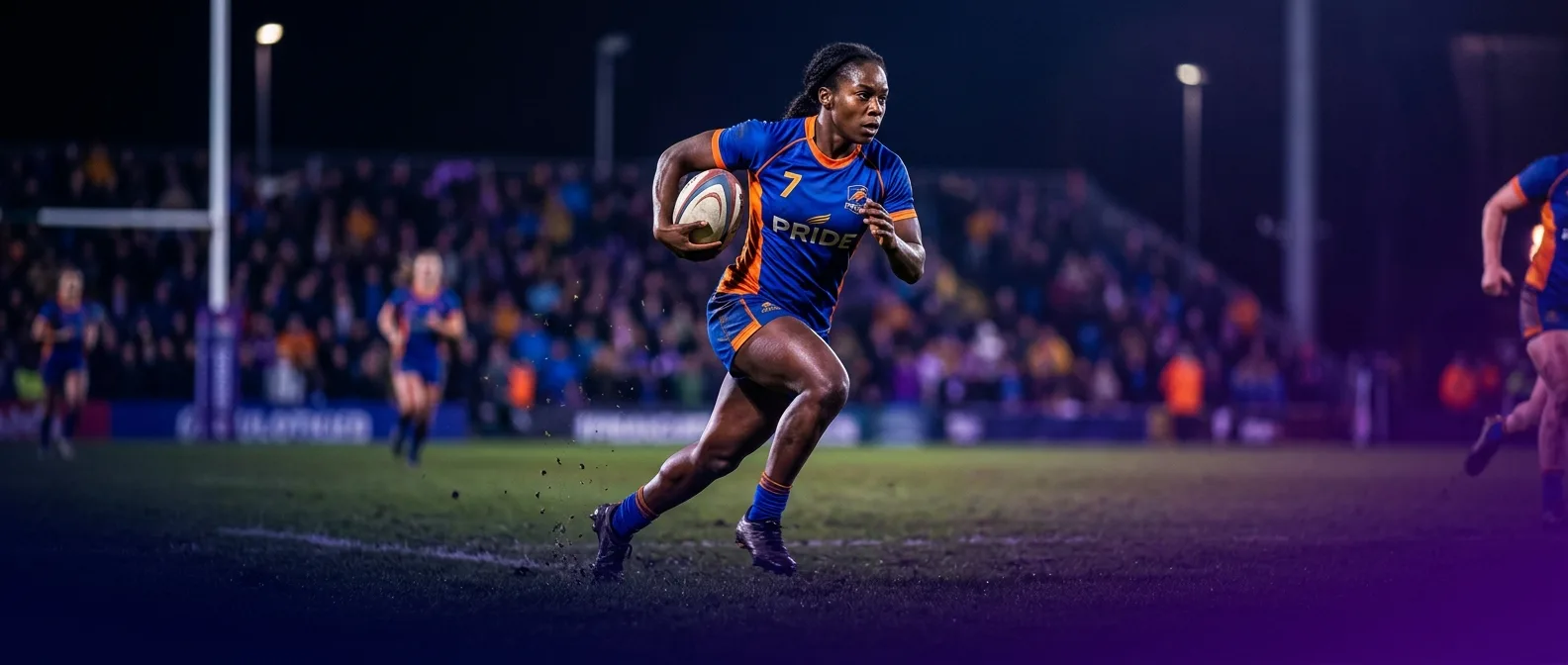
Walk into a room with 10 people. One is left-handed. According to new research from Italy, that one person might be hiding a psychological weapon the other nine don't possess.
The study from University of Chieti-Pescara, published February 2026 in Scientific Reports, reveals something that could explain why left-handers survived evolution despite being such a tiny minority. It's not just the surprise factor in sports — it's something deeper in their character.📖 Read more: Comfort Zone: Why Your Safe Space Holds You Back
🔬 The "Fighting Hypothesis" and Evolution's Puzzle
Why do 10.6% of humans remain left-handed? If right-handedness is so "normal," shouldn't natural selection have eliminated lefties centuries ago? One theory, called the "fighting hypothesis," suggests left-handers have an evolutionary edge in competitive situations. When 90% of people are right-handed, an attack from the left is unpredictable. Surprise becomes a weapon. But for this theory to work, it needed a missing piece: left-handers don't just need to compete better — they need to **want** to compete more.The 90-10 Paradox: The ratio of right-handers to left-handers has stayed constant for centuries across all cultures — suggesting both types have evolutionary benefits.
From Theory to Practice
Until recently, this connection between left-handedness and competitiveness was just speculation. Researcher Giulia Prete and her team decided to put it under the microscope.📖 Read more: Dopamine & Your Phone: How Screens Make You Addicted
📊 The Experiment That Changed Everything
The study was designed in two phases, starting with over 1,100 participants. But here's where it gets interesting: the researchers didn't settle for the simple "which hand do you use?" They used the Edinburgh Handedness Inventory — a tool that measures how **strongly** someone prefers one hand. There's a difference between someone who writes left-handed but throws right-handed, and someone who does everything with their left.533 participants selected
483 strongly right-handed
50 strongly left-handed
The Psychological Analysis
The selected participants completed questionnaires examining: - **Hypercompetitive orientation**: How intensely someone wants to win - **Competition avoidance**: How much they avoid competition due to anxiety - **Self-developmental competitive orientation**: Competing for personal improvement The results were clear — and somewhat surprising.⚡ Findings That Shatter Stereotypes
Left-handers aren't just different in physical dexterity. They have different **psychological wiring**: **Higher Hypercompetitiveness**: Left-handers showed significantly higher levels of hyper-competitiveness. They don't just compete — they **want** to compete. **Less Competition Avoidance**: While many right-handers avoid competition when feeling anxious, left-handers showed the opposite pattern. But here comes the plot twist.The Performance Paradox
In the study's second phase, 48 participants (24 from each group) were called to the lab for a practical test: the pegboard task. They had to place nine small pegs into a special board, timed, using one hand. The result? **11 of the 24 right-handers were faster**.The psychological advantage of left-handers didn't translate to better physical performance — but to a willingness to face challenges.
Giulia Prete, lead researcher
📖 Read more: Empathy: The Most Important Skill of the 21st Century
🧬 Minority as Catalyst
How do we explain this difference? The researchers propose two mechanisms:The Surprise Element
In a right-handed world, left-handers learn from an early age to surprise. In sports, daily interactions, even tool design — the world doesn't "expect" them.Minority Psychology
Living in a world designed for right-handers creates chronic frustration. This frustration, researchers argue, can transform into competitive drive. Every time a left-hander adapts to a right-handed environment, they're essentially "training" to overcome difficulties.Neuroplasticity
Constant adaptation to a right-handed world may enhance neuroplasticity and challenge-handling ability.
Psychological Resilience
Chronic need for adaptation may build psychological resilience and increased risk tolerance.
📖 Read more: Gaming Addiction: When Playing Becomes a Problem