📖 Read more: How Free VR Training Changes Enterprise XR Economics
📖 Read more: Deadpool VR: Review, Gameplay & Impressions
🏗️ Suva Rewrites Safety Training Economics
Suva, Switzerland's largest workplace accident insurer, just did something that defies 2026 business logic. Instead of charging for the VR technology they developed, they're giving it away free to everyone. The reasoning isn't philanthropic. Suva insures over 2.2 million workers and 138,000 companies. Every accident costs thousands in compensation and rehabilitation. If virtual training cuts accidents by even 10%, the investment pays for itself.Why VR Training Actually Works
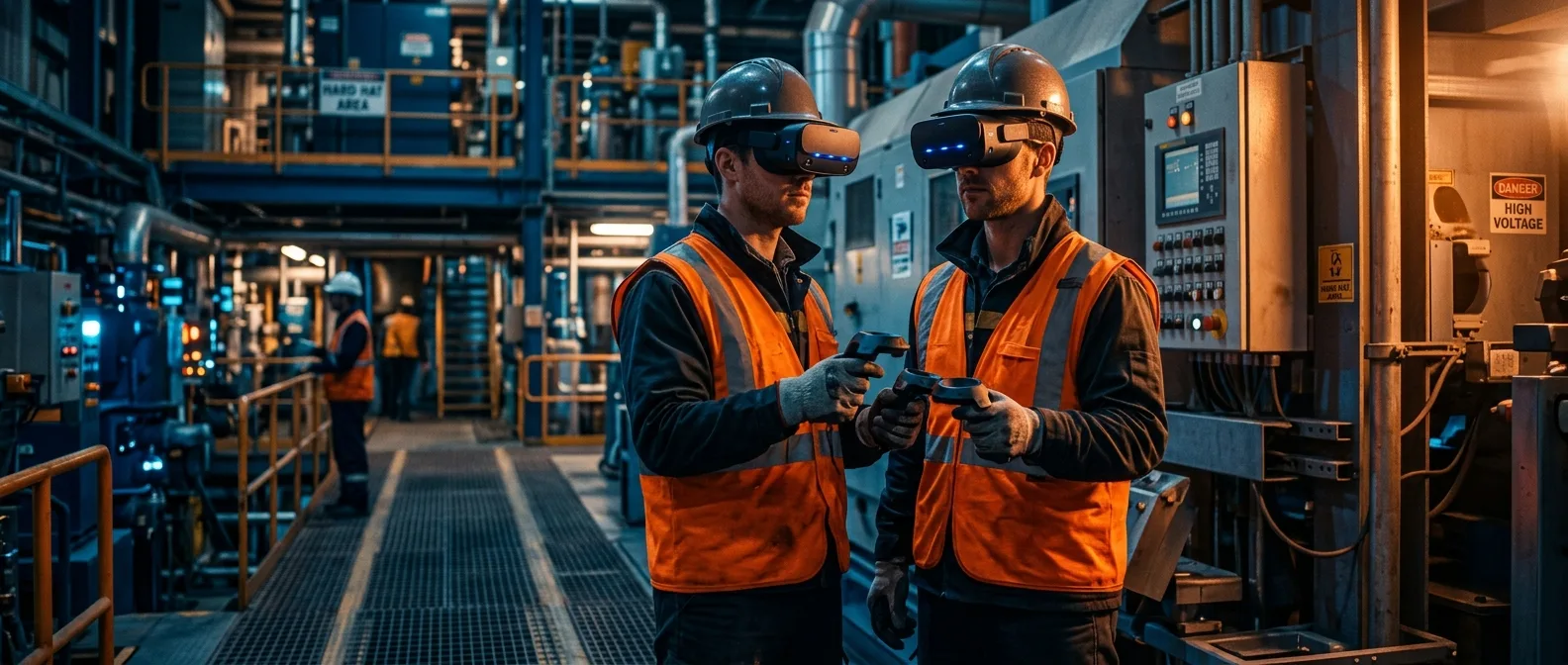
Unlike a video or manual, virtual reality forces the user to decide. See a forklift heading your way? You have to react. Standing 20 meters high without a safety harness? You feel the vertigo and understand the danger. The psychology is clear — experience embeds in memory differently than passive information. When someone has "fallen" in virtual reality from an unsafe height, they don't forget it easily.📖 Read more: How Businesses Use AR, VR and Mixed Reality in Daily Operations
📖 Read more: Enterprise XR 2026: From Pilot Programs to Production
📱 The Tech Platform Behind Swiss Safety VR
Swiss Safety VR runs primarily on Meta Quest 3, a choice that's not accidental. Quest 3 combines virtual and augmented reality (Mixed Reality), letting users see their real environment while interacting with virtual elements. This capability is critical for safety training. A worker can practice using protective equipment while seeing their actual hands and surroundings. The sense of presence becomes more intense, and learning more effective.Real-Time Training That Adapts
Each VR training session lasts about 20 minutes — enough to cover a specific safety topic, but not so long that it exhausts the user. Scenarios cover various industries: from construction to energy and chemical applications. But the most impressive part is that training adapts to each user. If someone makes a mistake, the system shows them the consequences and guides them to the correct action. It's not just a 360° video — it's interactive experience with results.📖 Read more: Enterprise VR Training ROI: How Companies Win with Virtual Reality
📖 Read more: VR and Children: Ages, Risks, Safety
💼 The Business Strategy: Why Free?
While most tech companies charge for basic app features, Suva offers free VR training. Until you understand the strategy. The model works like "freemium" without premium options. Suva invests in prevention to reduce future costs. Every worker who doesn't get injured saves thousands in compensation and medical expenses.But there's a second layer to the strategy. Swiss Safety VR creates an ecosystem around Suva's platform. Employers using the free training develop trust in Suva's technology and services.We chose to partner with BearingPoint because their expertise and innovative approach perfectly matched Suva's commitment to advancing safety education.
Nathanaël Bonvin, Director of New Technology Programs, Suva
The Psychology of Free
When a large company offers something free, most people suspect hidden costs. With Swiss Safety VR, the "cost" is different — it's creating a standard in VR safety training that Suva itself controls. If the platform becomes the default tool for safety training in Switzerland and beyond, Suva will have a massive database on the effectiveness of various prevention methods. This data can translate into better insurance policies and more accurate risk assessments.📖 Read more: Meta Shuts Down VR Productivity Service Workrooms February 2026
📖 Read more: Gorilla Tag: Why It's the Most Popular Free VR Game
🌍 Expansion Beyond Switzerland: The Future of Enterprise VR
Swiss Safety VR's success hasn't gone unnoticed by other companies. The model of free access to premium VR training creates new opportunities for the Enterprise XR industry. This approach could solve one of enterprise VR's biggest problems: high adoption costs. Small and medium businesses that never had access to VR training can now try it without financial risk. The platform is available even in Swiss schools — a move showing Suva's long-term thinking. Students entering professional training with VR today will expect similar tools in their careers.What This Means for the Industry
If Swiss Safety VR proves successful, it will overturn traditional approaches to enterprise VR. Instead of selling licenses, companies could offer free basic services and profit from complementary services or reduced other costs.Educational Opportunities
Free access to training for schools and small businesses
Scalability
Mass adoption without cost barriers for new users
Data Collection
Gathering large volumes of data to improve programs
📖 Read more: VR Release Dates Q2 2026: Which Games Are Coming
📖 Read more: VR Medicine: Surgeon Training in 2026