📖 Read more: Fallout 4 Anniversary Edition: A Decade in the Wasteland
🎮 Mature Take on a Kid-Friendly Genre
The first thing that hits you is the tone shift. Instead of playing a kid learning the ropes, you're a prince or princess of the Azuria kingdom — captain of the Rangers and ace Rider from minute one. You're not a noob searching for your path. You're the expert tasked with teaching newcomers. Rudy, the new Palico companion, feels less like a cartoon mascot and more like actual support. Anyone who remembers Navirou from previous games will spot the difference — fewer forced puns, more substance.New Teaching Formula: The tutorial doesn't explain basics to you. You teach Thea, a rookie Ranger. Smart way to learn without feeling like a beginner.
⚔️ Combat System: More Layers, Less Random
The rock-paper-scissors from previous games returns, but with improvements that make it less frustrating. Power, Speed, Technical attacks remain the core, but now you get better clues about what opponents will do. The new Wyvernsoul Gauge adds strategic depth. Instead of wasting time on damage racing, you can target the gauge for stuns and staggers — effectively skipping enemy turns. It's the difference between "spam attack" and "think tactically."📖 Read more: Pokemon Pokopia Scores 9/10 on IGN: The Cozy Game of the Year
🗺️ Open-World with Purpose
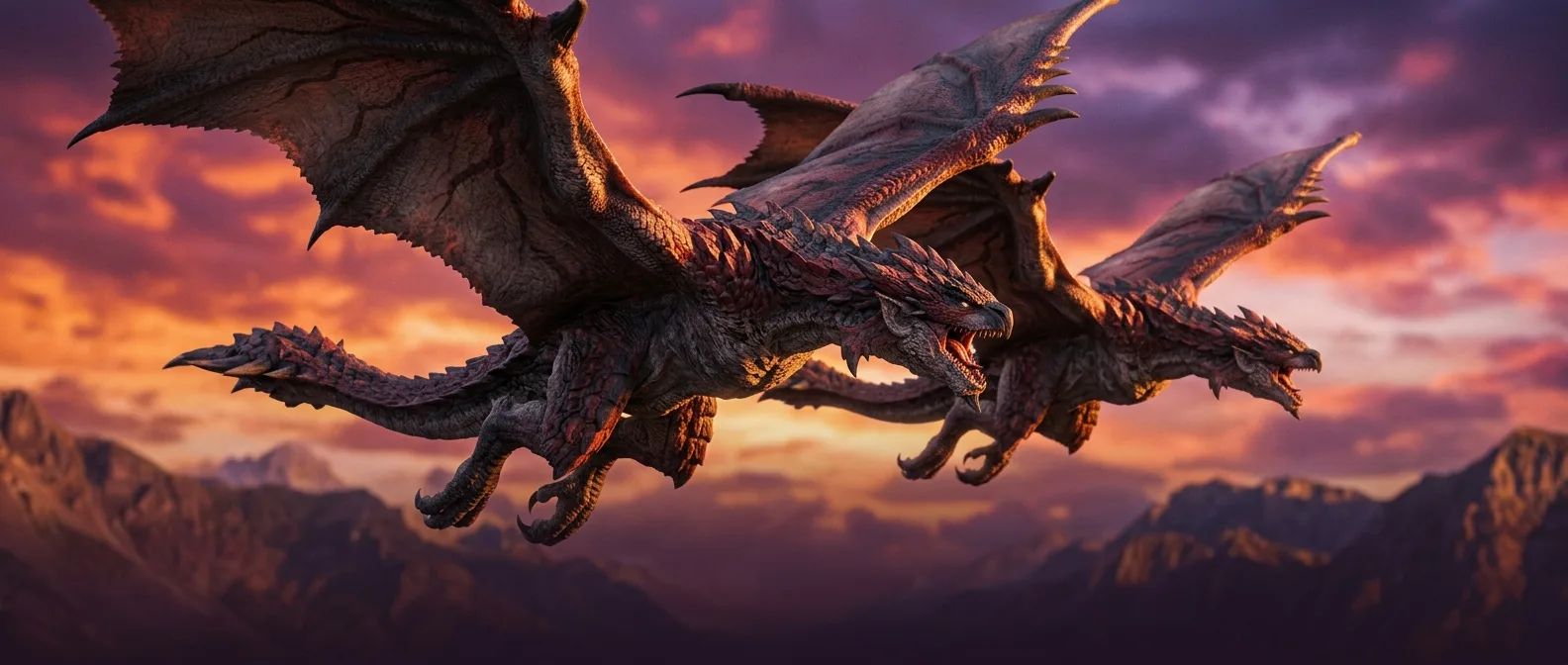
From the start you have access to a fully-grown Rathalos, meaning immediate flying — or rather, "gliding with style." Updrafts are strategically placed, and fast travel works smoothly. The riding system has improved significantly. Each monster has multiple Riding Actions — Flying, Swimming, Climbing, plus combat-oriented ones like Roaring for stuns or Breath Attacks. You no longer feel trapped using specific monsters just because you need their traversal abilities."I spent 20 hours in the first area alone because I wanted to do everything before moving forward"
IGN Review
📖 Read more: Crimson Desert Hits 3M Sales Despite GameSpot's 7/10 Score
🥚 Gacha That Doesn't Feel Exploitative
The egg system from Stories games is pure genius. Instead of hunting monsters for capture, you search dens for eggs. You get four layers of randomization: 1. **Den Spawns** - Where dens will appear 2. **Eggs Inside** - What egg you'll find inside 3. **Hatching Results** - What Monstie will emerge 4. **Gene Skills** - What abilities it'll have Sounds overwhelming, but you never feel frustrated. It's rare not to find what you're looking for quickly, and the "by-products" of searching are always useful.Rite of Channeling
Free gene movement between Monsties. No more permanent choices eating at you.
Habitat Restoration
Combat invasive species, restore ecosystems. Gameplay that matches the story theme.
Gene Board Puzzle
The gene system gets the biggest upgrade. In Stories 2, transferring a gene would "consume" the host monster — chronically indecisive players like me had existential crises. Now you can experiment all you want. The 3x3 grid with "bingo" bonuses is addictive puzzle design. Three matching genes of the same color or type give buffs. Mid-gameplay you're thinking like a chess player for optimal arrangements.🌍 Technical Performance and Presentation
The RE Engine shows its strength even here. Environments are lush and varied — from dense forests to sprawling plains. Visual design follows Monster Hunter DNA but with a cartoon-friendly approach that doesn't sacrifice detail. Voice acting is surprisingly solid for JRPG standards. Each character has distinct personality that shows in delivery. The orchestral soundtrack does its job, though it's forgettable compared to mainline Monster Hunter. One negative: the overworld is... silent. No background music while exploring, which becomes obvious when you spend hours on checklist gameplay. A volume slider would solve this easily.📖 Read more: Best PC Emulators 2025: Complete Retro Gaming Setup Guide
⚡ Weaknesses That Don't Ruin the Experience
Side quests are repetitive — classic "bring X items" or "defeat Y monster." Character-focused side stories are better, but don't save the situation. Main quest writing feels like Saturday morning cartoon trying to become Avatar: The Last Airbender. Battles can drag, even when you're overleveled. The "slam monster in overworld for instant kill" solution shows the developers realized this too.Pro Tip 2026: Double speed for battle animations is a must-have option. Pacing becomes much more enjoyable.
🏆 Why It Deserves Its Score
Monster Hunter Stories 3 is one of those games where the day disappears without you noticing. It's not perfect, but it does so many things right that its weaknesses become secondary. It's the kind of GameCube-era RPG built on deep systems and optional checklists that actually feel rewarding to complete. You want to do them because they're satisfying. If you're a Monster Hunter universe fan but don't enjoy action hunting, here's your chance. If you love turn-based RPGs and don't care about Monster Hunter, you'll still enjoy it. It's accessible enough to work as an entry point while rewarding veterans with references and cameos. The 9/10 reflects a game that executes its vision without compromise.Sources: